

YEREVAN — For more than a decade, Davit Melkonyan has been part of the Armenian State Jazz Orchestra, a musical institution deeply embedded in Armenia’s cultural fabric. Today, as its artistic director, Melkonyan stands at the crossroads of tradition and transformation, working to expand the orchestra’s reach while preserving its artistic heritage. Alongside him, music producer John Grigoryan, known for his work with the Armenian Navy Band and other landmark jazz projects, offers a broader view of the industry’s evolution — from the challenges of monetization to the impact of technology on creativity.
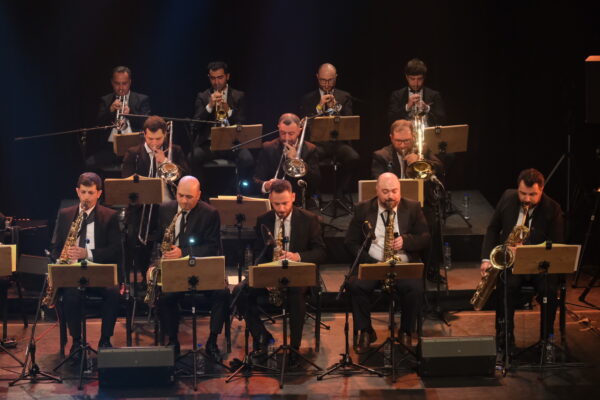
Founded in 1938 by composer Artemi Ayvazyan, the Armenian State Jazz Orchestra is among the oldest jazz ensembles in the former Soviet Union. In the Soviet era, it was one of the few orchestras permitted to perform jazz — a genre then considered Western and often restricted. The ensemble not only introduced generations of Armenians to jazz but also helped shape a unique Armenian jazz language that blended swing, folk melodies, and classical training. Today, it continues that legacy as one of the country’s leading state-supported musical institutions.
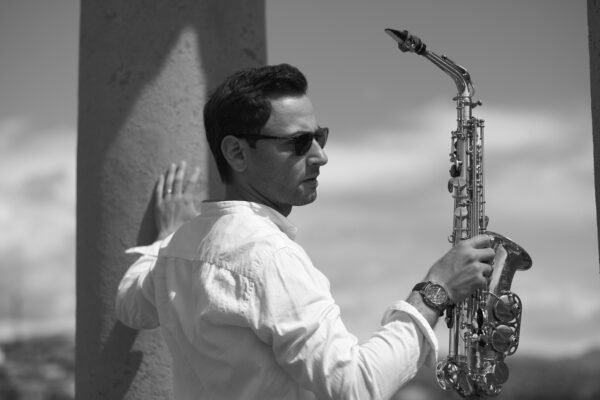
A jazz saxophonist and composer, Melkonyan strives to achieve a synthesis between academic jazz and the current experimental sounds.
“The years in the orchestra have taught me a lot,” Melkonyan said. “Especially here in Armenia, where the orchestra has played a key educational role for generations. Those years helped me understand the patterns, the needs, and the opportunities for renewal.”
Building on Experience
Having joined the orchestra in 2012, Melkonyan grew within its soundscape, learning its rhythm and traditions from the inside. His journey mirrors the evolution of the orchestra itself — from Soviet roots to post-independence reinvention. Over the years, he witnessed its artistic growth and its quiet influence as both a performance ensemble and an educational institution for young musicians.