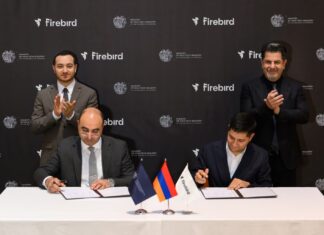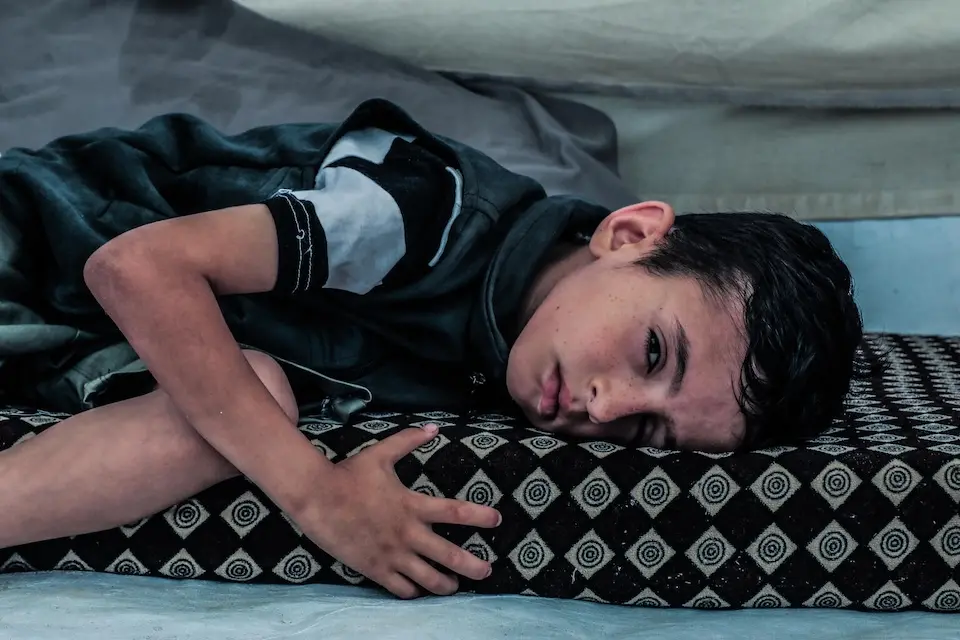

YEREVAN — UNICEF Armenia marks the successful completion of a partnership with the Afeyan Foundation, whose support helped expand critical mental health and psychosocial support (MHPSS) services for displaced and host community children, adolescents, caregivers and frontline professionals across Armenia.
Building on UNICEF’s humanitarian response following September 2023 when over 115,000 ethnic Armenians, including 36,000 children, had to flee their homeland seeking refuge in Armenia, the partnership focused on strengthening community resilience, promoting social cohesion, and increasing access to psychosocial support through innovative peer support networks and community-led approaches.
“The Afeyan Foundation’s support has made a lasting difference in the lives of thousands of children, adolescents and families affected by displacement. Timely and continued age-appropriate provision of mental health and psychosocial support is critical for children and adolescents to mitigate the immediate and long-term impacts of distress. It was equally important to find flexible means to do so at a time of considerable constraint on mental health professionals across Armenia,” noted Dr. Ghassan Khalil, UNICEF Representative in Armenia. “Together, we have empowered young people, parents and community professionals to support one another, reduce stigma around mental health, and strengthen community connections that will endure far beyond the life of this program.”
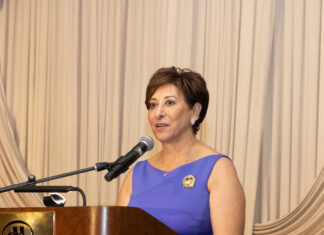
“We believe that supporting the mental health and well-being of children and young people is an investment in Armenia’s future,” noted Irina Seylanyan, CEO of Afeyan Initiatives for Armenia (AIFA), the Armenia-focused arm of the Afeyan Foundation. “We are proud to partner with UNICEF to help expand access to mental health and psychosocial support for people in need and host communities across the country. The achievements of this program demonstrate the power of community-driven solutions, peer support and collaboration in helping young people heal, connect, and thrive.”
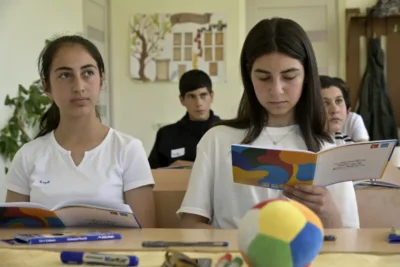
Recognizing that adolescents often turn first to their peers during times of emotional distress, UNICEF established and expanded adolescent peer support volunteer (PSV) networks across Armenia. Through structured training, supervision and mentorship, young volunteers gained practical skills in psychological first aid, peer support, communication and referral pathways.
As a result, 2,017 adolescent peer support volunteers were trained and mobilized, becoming catalysts for positive change in their communities, organizing peer discussions, awareness-raising activities and psychosocial support initiatives. Through their outreach efforts, adolescent PSVs reached an additional 18,220 children and young people, helping to improve mental health literacy, encourage help-seeking behaviors and reduce stigma surrounding psychosocial wellbeing.