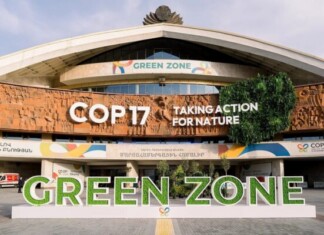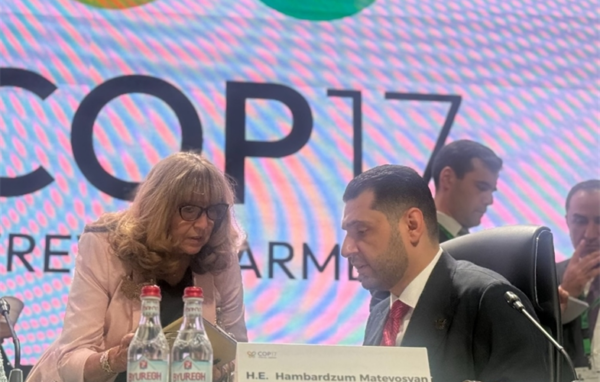


YEREVAN (Wildlife Conservation Society/WCS) — The UN Biodiversity Conference (CBD COP17), with nearly 200 governments participating, put forth a clearer picture of the global biodiversity crisis and the gaps that must be closed to meet the world’s 2030 targets. But the Yerevan Pathway and the conference’s other outcomes do not deliver the new level of ambition needed to put the world on track, the Wildlife Conservation Society (WCS) said today.
Said Dr. Susan Lieberman, WCS Vice President for International Policy: “COP17 was well organized by the Government of Armenia and provided a great platform for sharing, networking, and learning.
“But the negotiations themselves ended up weak on ambition. We are in the midst of a biodiversity crisis, and timidity will not save nature–we need strong outcomes for wildlife and wild places, not only outputs and great speeches.
“This meeting should have been a turning point, not just a stocktake. Success required governments to commit the political will and financing needed to reverse biodiversity loss. That means protecting and restoring ecological integrity, respecting the rights and leadership of Indigenous Peoples and local communities, and reducing the drivers of decline. With just four years until 2030, we cannot afford another conference that diagnoses the crisis without accelerating the cure.
“The Kunming-Montreal Global Biodiversity Framework from 2022 remains a vital and ambitious global agreement. If all of the targets are delivered, as governments committed, then nature will indeed be on the path to recovery. COP17 has clarified the challenge; now governments must summon the political will, resources and resolve to meet it. We applaud the Armenian Government, the CBD Secretariat, and many governments and partners for a keeping the momentum moving toward achieving the 2030 goals and targets. But ‘good enough’ should never be acceptable.”
Said Alfred DeGemmis, WCS Director of International Policy: “This year’s UN biodiversity summit was the crash after several years of sugar-rushed optimism about global biodiversity targets. The obstructionist politics of the climate talks have entered the biodiversity negotiations, and identifying transformative actions will require ambitious leaders willing to spend political capital.”