

GYUMRI, Armenia — It was our long-awaited trip to Armenia, the first since 2019. The Coronavirus pandemic, then repeated, escalating conflict over Nagorno-Karabakh (Artsakh), culminating in the mass expulsion of[...]

BERLIN — Every year on April 24, Armenians and Germans gather in the historic St. Paul’s Church in Frankfurt and the French Cathedral in Berlin to pay homage to those[...]
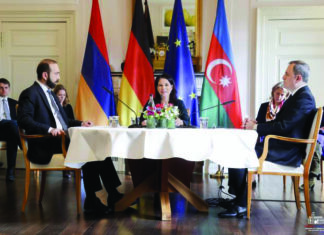
BERLIN — On February 28-29, German Foreign Minister Annalena Baerbock met with her counterparts from Armenia and Azerbaijan, Ararat Mirzoyan and Jeyhun Bayramov, respectively. The two-day discussions held in the[...]
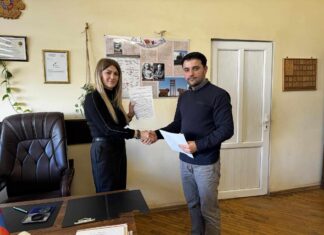
VAGHARSHAPAT, Armenia — On February 3, over 65 people gathered in Zvartnots, Vagharshapat for the festive inauguration of a new IT center for youngsters. Presiding over the ceremonies were Lilia[...]

FRANKFURT, Germany — It is not the first time that the Azerbaijan government has been caught bribing politicians in Europe, and it may or may not be the last. As[...]

In recent years, numerous governments and public institutions have devoted increasing attention to promoting harmony among diversity in society. While political bodies may have established legal guidelines for integrating persons[...]
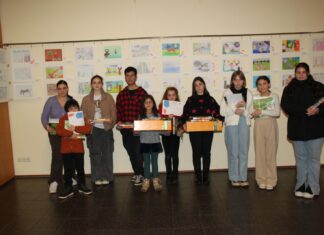
What better way to honor a great artist than to foster development of art in youngsters? That is the idea behind the International Art Festival and Competition hosted by the[...]

WIESBADEN, Germany — The lights go down, the hall is hushed. A grey-haired woman begins to tell a story to her grandchildren, a story 2000 years old. It is the[...]
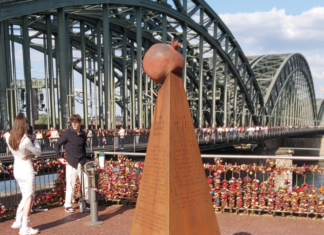
As the fireworks rang in the New Year 2024, few people thought there was much to celebrate anywhere in the world. But in the German city of Cologne, there was[...]
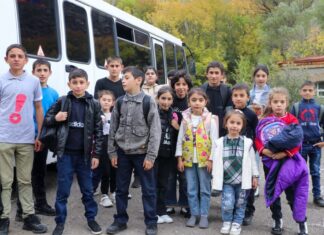
BERLIN — Humanitarian aid continues to flow from generous German organizations into Armenia, to help alleviate the suffering of those among the 100,000 people forced to flee their homes in Artsakh.[...]
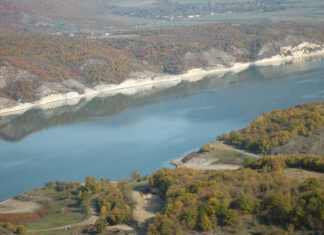
In the lead up to and then after the remarkable acts of aggression by Azerbaijan which led to the forced expulsion of Armenians from Artsakh (Nagorno Karabakh), analyses by various[...]